
Editorial Picks
10 K-Beauty Picks to Grab at Incheon Airport Duty-Free
An editor's curated pick — ten duty-free K-beauty pickups that hold up to magazine scrutiny, not an exhaustive directory of every counter in the building.
There is a particular thrill in walking into Incheon Airport duty-free for the first time — and an even more particular thrill in walking in for the eleventh, the seventeenth, the twenty-second time, the way I now walk in — because the K-beauty wall here is not, as the JFK duty-free wall is not and the Heathrow Terminal 5 wall stubbornly is not, a curated afterthought of generic global brands and tired airport-promotional gift sets. It is the actual K-beauty market at the actual K-beauty source — calibrated against domestic Seoul retail standards rather than international transit lowest-common-denominator — and the price differentials versus what you would pay at the Sephora on Spring Street or the Bloomingdale's beauty floor at 59th-and-Lex run somewhere between fifteen and thirty percent in the traveler's favor, which is the kind of arbitrage that genuinely justifies a stop. What follows is ten pickups — ten, deliberately, because ten is the number that survives editorial scrutiny rather than the number that fills a list. There are, by my unofficial count from repeat walk-throughs, somewhere upward of sixty K-beauty brand counters across T1 and T2 duty-free zones. Most of them are perfectly fine. These ten are the ones I would tell a friend about, the ones I have personally bought across layovers ranging from a Tribeca-to-Manila routing to a JFK-to-Tokyo redirect, the ones that hold up the way a Manhattan beauty closet holds up across repeat use. The K-beauty category has shifted under our feet in the past five years — the heritage premium-skincare register is still there, the mass-market chain-store register is still there, and a third register has emerged that the magazine desks I file copy from are still catching up to, which is the indie-cult viral register that runs through TikTok and Reddit and the Sephora exclusive launches. All three are represented at Incheon. The ten picks below try to give you one or two of each, because the most editorially defensible duty-free pickup is not ten variations of the same essence but a calibrated assortment that arrives back in your Tribeca or Park Slope or West Village apartment ready to actually be used. The other point worth making — and this is the point most listicle pages dodge — is that K-beauty duty-free is a category where the savings genuinely matter. The duty-free pricing is honest in a way that the equivalent European cosmetics duty-free pricing rarely is — no fake markup-and-discount theater, no exit-tax-recovery gymnastics. I have, over five years of repeated routings through ICN, materially restructured how I buy K-beauty back home, and I am not the only Manhattan editor who has.

Featured A — Sulwhasoo (Lotte Duty Free + Shilla Duty Free)
Sulwhasoo is the Korean premium ginseng-skincare house — the heritage anchor of Amorepacific's prestige portfolio, available across both Lotte and Shilla duty-free counters at T1 and T2, and the single most internationally recognised Korean luxury skincare brand by any defensible measure including Sephora-side sales data, Bloomingdale's beauty-floor placement, and the genuine domestic Seoul retail density. The trial item — and there is no point dodging this — is the First Care Activating Serum, which retails at the duty-free counters somewhere in the ninety-to-two-hundred-twenty-USD range depending on bottle size and the seasonal gift-set promotional bundling that Sulwhasoo's marketing team rotates through with admirable consistency. The ginseng-and-saponin formulation has been the brand's signature for two decades, and the genuine point of difference versus equivalent Western premium serums is the slightly heavier, slightly more occlusive finish that East Asian skincare formulations tend toward — which translates, in practical terms, to a serum that performs particularly well on the post-flight skin that has just spent thirteen hours in a recycled-cabin-air environment at single-digit humidity. There is a particular thrill in opening a fresh First Care bottle the night you arrive at your Park Slope apartment or your West Village walk-up and applying it to the skin that has, frankly, been through it. Tribeca cannot do this — the brand is available, of course, but the duty-free pricing differential is the entire arbitrage argument. The duty-free counter saves you somewhere between fifteen and twenty percent versus the Madison Avenue equivalent, and the savings on a two-hundred-USD pickup are not theoretical. The secondary pick at the Sulwhasoo counter — and this is the one most international travelers miss — is the Concentrated Ginseng Renewing Cream, the brand's higher-tier moisturiser, which runs roughly two-hundred-fifty USD at the duty-free counter and is the cumulative-effect product rather than the immediate-effect product — by which I mean you will not see the difference after one application but you will, with repeated nightly use over six to eight weeks, see the kind of skin-quality improvement that the brand's domestic Korean customers have built two decades of loyalty around. Sulwhasoo's official site at sulwhasoo.com lists the full lineup; the duty-free counters carry the bestseller subset and rotate the gift-set bundling seasonally with notable consistency. The counter staff at both Lotte and Shilla are trained for the international clientele in English, Japanese, Chinese, and increasingly Russian. The packaging is in the same calibrated-aesthetic register as the better European luxury-skincare houses, and a gift-set bundle arrives at the recipient's apartment looking and feeling like a serious gift rather than a souvenir pickup. That is the magazine-grade detail.
- Location: T1 and T2 Lotte and Shilla Duty Free zones
- Hours: 06:00-22:00 daily (per flight schedule)
- Price: First Care Serum USD 90-220; Renewing Cream USD 250+
- Best for: Premium Korean skincare anchor, gift-set serious occasion, post-flight skin repair
- Skip if: You prefer Western luxury-skincare formulations (lighter finishes)
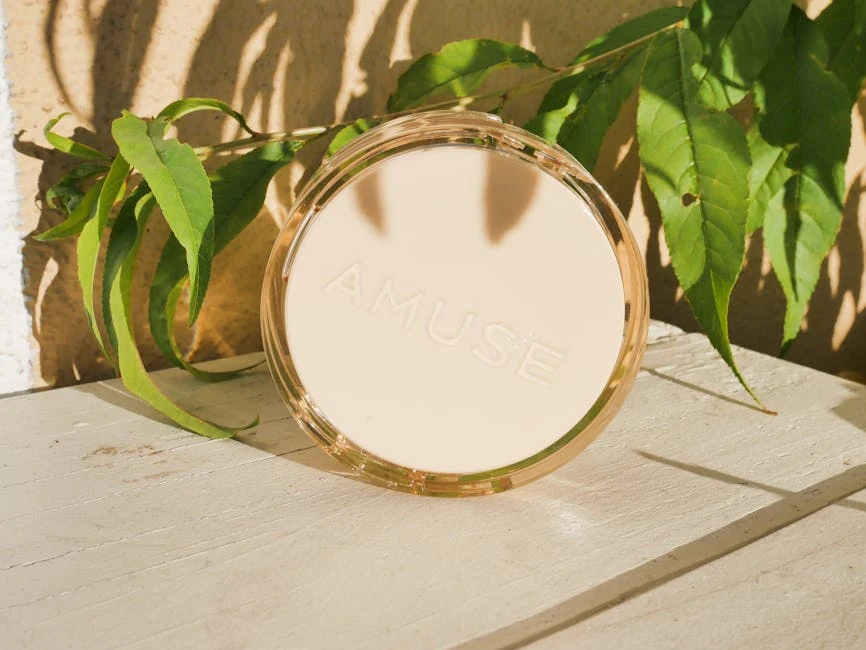
Featured B — The History of Whoo (Whoo)
Whoo — formally The History of Whoo — is the LG Household and Health Care royal-court-inspired skincare house, and it is, by sales data rather than brand-aesthetics opinion, the top-selling Korean luxury skincare brand by duty-free volume across the Asian transit network, with the Chinese-visitor segment in particular driving consistent year-over-year demand. The trial item is the Bichup Self-Generating Anti-Aging Essence, which sits at the duty-free counters in the one-hundred-ten to one-hundred-eighty-USD range depending on size, and which is the brand's flagship treatment essence in the same heritage-luxury register as the Sulwhasoo First Care lineup but with a slightly different formulation philosophy — herbal-medicine-inspired botanical complex rather than ginseng-and-saponin, with a heavier emphasis on what the brand calls the Korean royal-court skincare tradition. The royal-court positioning is, frankly, marketing — but the formulation underneath is serious, and the brand's domestic Korean credibility is genuine, and the duty-free pricing differential versus the equivalent Bloomingdale's or Saks counter is meaningful. The category framing point worth making is that Whoo and Sulwhasoo are the two competing flagship premium-skincare houses in the Korean market, and travelers who buy one almost never buy the other on the same trip — they are calibrated to slightly different aesthetic preferences and slightly different skin profiles, and the educated K-beauty buyer treats them as alternatives rather than complements. My Tribeca-magazine-desk recommendation is to try a Sulwhasoo serum on one trip and a Whoo essence on the next and decide which formulation philosophy your skin responds to. Both are excellent. Neither is universally superior. The secondary pick at the Whoo counter is the Cheongidan Hwa Hyun line, which is the brand's higher-tier sub-line and which runs into the two-hundred-fifty to four-hundred-USD range per item — appropriate for the serious-occasion gift purchase or the personal-shelf step-up. The Whoo official site at thewhoo.com carries the global product catalog; the duty-free counters at Lotte and Shilla rotate the seasonal gift-set bundling on a similar cadence to the Sulwhasoo program. The packaging — and this is the secondary editorial detail — is in a different aesthetic register from Sulwhasoo, leaning into the red-and-gold royal-court visual vocabulary that has driven the brand's Chinese-market dominance and that some Western buyers find slightly heavier than the comparatively understated Sulwhasoo packaging. Aesthetic preference, not quality assessment. The brand reads particularly well as a gift for the recipient who is already familiar with the Korean luxury-skincare category and wants to compare the two heritage houses side by side.
- Location: T1 and T2 Duty Free zones
- Hours: 06:00-22:00 daily
- Price: Bichup Essence USD 110-180; Cheongidan Hwa Hyun USD 250-400
- Best for: Alternative to Sulwhasoo, royal-court aesthetic, Chinese-market crossover gift
- Skip if: You already chose Sulwhasoo on this trip (same category, different lane)

Featured C — Laneige
Laneige is the mass-market mid-tier K-beauty brand by Amorepacific — sister to Sulwhasoo but calibrated to a different price tier and a different consumer demographic, with the Water Sleeping Mask and Lip Sleeping Mask as the two viral hits that have driven the brand's global breakthrough over the past five years. The Lip Sleeping Mask in particular — the small jar of berry-tinted lip-conditioning balm that runs roughly eighteen to twenty-two USD at duty-free — is the single most TikTok-viral K-beauty product of the past three years and the gateway purchase that has converted a generation of Western consumers into the broader K-beauty category. The Water Sleeping Mask, slightly older and more established, runs twenty-two to thirty USD at the duty-free counter and remains a category-defining overnight hydration product. The framing point worth making is that Laneige sits in the middle of the K-beauty pricing pyramid — well below Sulwhasoo and Whoo at the heritage-luxury tier, well above Innisfree and the entry-level chain-store tier — and the duty-free counter is the most cost-effective place to buy the brand globally, with savings of roughly twenty percent versus the Sephora-side US pricing. For the magazine reader who is calibrating gift purchases for friends who are not deep in the K-beauty category, the Lip Sleeping Mask is the gateway gift — affordable enough to buy four or five for distribution, recognisable enough that the recipient will know what it is, and quality-honest enough that the recipient will actually use it. I have personally distributed somewhere upward of twenty Lip Sleeping Masks across various Manhattan friend-and-family circuits over the past three years and I have yet to receive a complaint. That is the operational signal. The brand's website at laneige.com carries the international product catalog; the duty-free counters carry the bestseller subset with seasonal limited-edition flavors and tint variations rotating through. The Sephora-side US distribution at sephora.com/brand/laneige carries a similar subset, which means the duty-free arbitrage is meaningful but not transformative — the Laneige category is not where you will save the most money on a per-item basis but where the volume-distribution gifting strategy becomes editorially defensible. The secondary pick is the Cream Skin Toner-Cream hybrid, which is a Laneige-formula innovation that combines toner and moisturiser functionality in a single product, runs roughly thirty-five USD at duty-free, and is the brand's most genuinely interesting category-bending product of the past five years. The textural experience is unusual — milkier than a toner, lighter than a cream — and the editorial argument is that it represents the kind of K-beauty product-architecture innovation that Western brands have largely failed to replicate, in the same way that Western brands have largely failed to replicate the cushion-foundation format that Laneige's sister brand Hera pioneered. There is a particular thrill in walking out of duty-free with a Cream Skin bottle in carry-on and trying it on the post-flight skin the night you arrive. The format is, frankly, the editorial argument.
- Location: T1 and T2 Duty Free
- Hours: 06:00-22:00 daily
- Price: Lip Sleeping Mask USD 18-22; Water Sleeping Mask USD 22-30; Cream Skin USD 35
- Best for: Mass-market gateway gift, Lip Sleeping Mask volume distribution, post-flight hydration
- Skip if: You want the heritage-luxury tier (try Sulwhasoo or Whoo)
Featured D — Innisfree
Innisfree is the Amorepacific entry-tier brand — the Jeju-island-natural-ingredients positioning of the Amorepacific family, calibrated to the affordable-souvenir price point, and the single best duty-free pickup for the bulk sheet-mask gift bundle and the entry-level Korean skincare introduction. The Green Tea Seed Serum runs roughly twenty-two USD at the duty-free counter — three to four times less expensive than the entry-level equivalents at the heritage tier — and is the trial item that the brand's domestic Korean customers have built fifteen years of loyalty around. The sheet masks run one to three USD per item at the duty-free counter and come in a rotating cast of single-ingredient variants (green tea, volcanic clay, bija seed, manuka honey) that have made the brand the default budget K-beauty introduction across multiple Western markets. The framing point worth making — and this is the framing that separates Innisfree from the lower-quality chain-store competitors — is that the brand's quality-per-dollar ratio at the duty-free counter is, frankly, indecent. A bulk-twelve-pack of mixed-variant sheet masks runs roughly twenty-five USD at duty-free, which is to say roughly two dollars per mask, which is meaningfully less than the equivalent at Sephora and roughly half what the same masks cost at the New York City Innisfree flagship that closed and reopened on Spring Street over the past two years. For the magazine reader doing the bulk-gift-distribution calibration, an Innisfree sheet-mask pack is the volume-distribution complement to a Laneige Lip Sleeping Mask — both fall in the under-twenty-five-USD-per-gift bracket, both arrive at the recipient looking and feeling like a real K-beauty gift rather than a generic airport-pickup, and both cover the broad spectrum of the recipient's skincare-routine integration. The Innisfree global site at innisfree.com lists the full catalog; the duty-free counters rotate the seasonal limited-edition flavors (the cherry-blossom spring release, the chestnut autumn release, the tangerine winter release) with admirable consistency. The secondary pick is the Volcanic Pore Clay Mask — the brand's category-leading clay treatment product, runs roughly fifteen USD at duty-free, and is the standout single-purchase Innisfree item that the magazine-side beauty editors I work with reach for as the gateway clay-mask product. The texture is denser than the Western chain-store equivalents and the post-application skin-feel is meaningfully different from what the equivalent French pharmacy clay masks deliver. Both have their place, both are operationally reliable, and the Innisfree pickup at Incheon is the most cost-effective way to try the Korean clay-mask register without committing to a sixty-USD heritage-brand alternative.
- Location: T1 and T2 Duty Free
- Hours: 06:00-22:00 daily
- Price: Green Tea Seed Serum USD 22; sheet masks USD 1-3 each; bulk-pack USD 25
- Best for: Bulk sheet-mask gifting, budget gateway, volcanic clay mask
- Skip if: You want premium-tier performance (try Sulwhasoo or Whoo)
Featured E — COSRX
COSRX is the dermo-cosmetic cult brand — calibrated to the acne-prone, sensitive-skin, problem-solving register rather than the heritage-luxury or mass-market-gateway registers — and the single most Reddit-and-TikTok-driven K-beauty brand of the past five years, with the Snail 96 Mucin Power Essence and the Acne Pimple Master Patch as the two flagship category-defining products. The Snail Mucin Essence runs roughly twenty-two to twenty-five USD at the duty-free counter, which is in the same pricing tier as the equivalent at sephora.com/brand/cosrx but with the duty-free counter pulling roughly fifteen percent below the Sephora-side US pricing depending on the seasonal promotional cadence. The acne pimple patches — the small hydrocolloid-and-tea-tree dots that have launched a thousand TikTok unboxing videos — run roughly six to ten USD per pack and are the volume-distribution-gift complement to the Innisfree sheet-mask bundle. The framing point worth making is that COSRX represents the third register of the K-beauty category — the indie-cult dermo-cosmetic register that has emerged in the past five years and that the magazine desks I file copy from are still catching up to. Where Sulwhasoo and Whoo are the heritage anchors and Laneige and Innisfree are the mass-market gateways, COSRX is the problem-solving register — calibrated specifically to acne-prone and sensitive-skin profiles, formulated with what the brand presents as a minimalist ingredient philosophy, and embraced by a specific subset of K-beauty consumers who have made the brand a cult favourite without it ever reaching the broad cultural ubiquity of the heritage tier. For the magazine reader who has problem-prone skin and has been navigating the labyrinth of Western dermo-cosmetic options without satisfaction, COSRX at the duty-free counter is the worth-trying alternative that the cumulative Reddit-and-TikTok evidence base is, by my reading, genuinely supporting rather than astroturfing. The secondary pick is the Centella Asiatica Cleansing Foam — the brand's gentle-cleanser anchor, runs roughly fifteen USD at duty-free, and is the entry product that the brand's customer-loyalty data shows as the most common gateway to the broader COSRX lineup. The cleanser is functional rather than transformative — but the texture-and-finish profile is meaningfully different from what the equivalent Western pharmacy cleansers deliver, and the pH-balanced formulation respects the post-cleanse skin barrier in a way that travelers with reactive skin will appreciate. The category that COSRX represents — affordable, ingredient-led, problem-solving K-beauty — is the category that has driven the most international growth in the past three years, and the duty-free pickup is the most cost-effective way to assemble the COSRX shelf without committing to the Sephora-side full-price assembly.
- Location: T1 and T2 Duty Free
- Hours: 06:00-22:00 daily
- Price: Snail 96 Essence USD 22-25; pimple patches USD 6-10 per pack
- Best for: Acne-prone skin, dermo-cosmetic cult lineup, problem-solving register
- Skip if: You prefer luxury-aesthetic packaging (try Sulwhasoo or Whoo)
Featured F — Hera (Amorepacific)
Hera is the Amorepacific luxury-makeup house — the more Korean-celebrity-coded sister to Sulwhasoo in the Amorepacific family, with the Black Cushion Foundation as the trial item that has launched a thousand imitations across the cushion-format category that Hera itself pioneered. The Black Cushion runs roughly fifty-five to seventy-five USD at the duty-free counter and is the flagship product in a category that — and this is the editorial argument worth making — Western luxury-makeup houses have spent ten years trying to replicate without ever quite matching the Hera original. The cushion-foundation format is the K-beauty makeup innovation that has reshaped the broader global luxury-foundation category, and Hera is where the format started. The framing point worth making is that Hera occupies the luxury-makeup slot rather than the luxury-skincare slot in the Korean prestige beauty ecosystem — calibrated to the celebrity-styling, red-carpet-finish, photography-grade-makeup register rather than the heritage-skincare ingredient-formulation register. The brand's domestic Korean visibility is anchored by extensive celebrity endorsement and runway-styling placement, and the duty-free counter at Incheon is the most cost-effective place to buy the brand globally given the limited Western retail distribution. The secondary pick is the Sensual Lip Gloss line, which runs roughly thirty-five USD per piece at duty-free and which sits in the same celebrity-styling register as the Black Cushion — texturally interesting, photogenically calibrated, and meaningfully different from the equivalent Western luxury-gloss formulations. The Hera official site at hera.com lists the full catalog; the duty-free counters carry the celebrity-driven bestseller subset and rotate the limited-edition celebrity-collaboration releases on a less predictable cadence than the broader Amorepacific family. The packaging — black-and-gold metallic with a serious-weight feel — sits in the same packaging-design register as the better European luxury makeup houses, and a Hera Black Cushion arrives at the gift recipient looking and feeling like a serious gift rather than an airport-counter pickup. For the magazine reader who is calibrating gifts for a recipient who is more makeup-coded than skincare-coded, Hera is the worth-considering alternative to the heritage skincare tier — and for the personal-shelf restocking calibration, the Black Cushion is the foundation-format pickup that justifies the duty-free stopover on its own. There is a particular thrill in opening a fresh Hera Black Cushion at the Tribeca apartment vanity mirror after a thirteen-hour flight and applying it to the post-flight skin alongside a freshly-cracked Sulwhasoo serum. The combination is the editorial argument.
- Location: T1 and T2 Duty Free
- Hours: 06:00-22:00 daily
- Price: Black Cushion USD 55-75; Sensual Lip Gloss USD 35
- Best for: Cushion-foundation category, Korean-celebrity makeup register, photogenic finish
- Skip if: You are more skincare-coded than makeup-coded (try the heritage skincare tier)
Featured G — Mediheal
Mediheal is the Korean sheet-mask volume leader — by sheet-mask unit volume globally rather than by brand-prestige register — and the N.M.F. Aquaring Ampoule Mask and the Tea Tree Care Solution Essential Mask are the two category-defining bestsellers that have made the brand the default sheet-mask volume-gift play at the Incheon duty-free counter. Sheet-mask packs run roughly eight to fifteen USD per set (typically ten masks per set) at the duty-free counter, which translates to roughly one dollar per mask — slightly less than the Innisfree equivalent at the entry tier and slightly more than the budget chain-store alternatives. The framing point worth making is that Mediheal occupies a slightly different slot in the sheet-mask category than Innisfree — calibrated to a slightly more clinical, slightly more problem-solving register rather than the natural-ingredients-and-pleasant-experience Innisfree register. The N.M.F. variant emphasizes deep hydration; the Tea Tree variant emphasizes blemish-and-redness calming; the Collagen variant emphasizes firming; and the rotating cast covers somewhere upward of twenty single-purpose variants that the brand's category-leading position is built around. For the magazine reader who is calibrating bulk sheet-mask gifting for a recipient with a specific skincare concern (acne-prone, dehydrated, redness-prone, age-firming), Mediheal is the targeted-gifting complement to the broader-spectrum Innisfree pickup. The brand's global site at global.mediheal.com lists the full lineup; the Incheon duty-free counters carry the international-bestseller subset with the N.M.F., Tea Tree, and Collagen variants as the consistent anchors. The secondary pick at the Mediheal counter is the Vita Mask line — the vitamin-infused brightening register, runs in the same price tier as the other variants, and represents the brand's most recent successful category extension into the brightening-and-glow register that has emerged as a meaningful K-beauty growth category over the past two years. The operational point worth making is that sheet masks are the single most carry-on-friendly K-beauty pickup format — flat, lightweight, regulatory-compliant for international transit, and easily redistributed across multiple gift recipients without committing the entire duty-free allowance to a single brand. A Mediheal twelve-pack bundle alongside an Innisfree bulk pack is the most editorially defensible volume-gift strategy for the magazine-reader traveler who has somewhere upward of eight to twelve gift recipients to satisfy upon return.
- Location: T1 and T2 Duty Free
- Hours: 06:00-22:00 daily
- Price: Sheet-mask packs USD 8-15 per set (10 masks)
- Best for: Targeted-concern bulk gifting, volume sheet-mask play, carry-on-friendly pickups
- Skip if: You already chose Innisfree sheet masks (similar lane, slightly different register)
Featured H — Beauty of Joseon
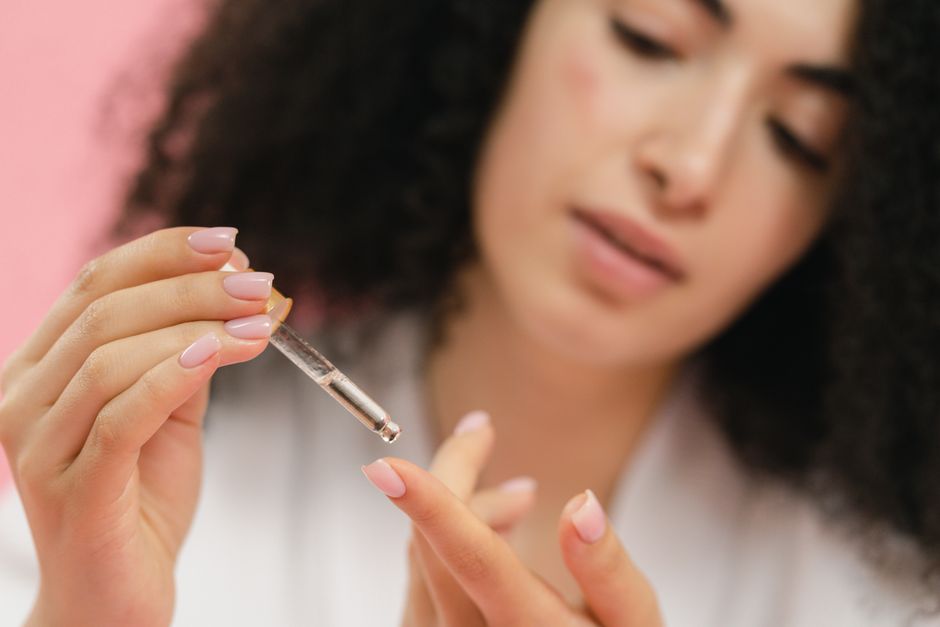
Beauty of Joseon is the newest of the viral K-beauty cult brands — TikTok-launched, Allure-validated, Sephora-distributed in the past two years, and the single most internationally-visible new K-beauty brand of the past three years by any defensible measure including social-media impression data, magazine-side editorial coverage, and the genuine pace of new-customer acquisition. The trial item is the Glow Serum — formulated with propolis and niacinamide — which runs roughly fifteen to twenty-two USD at the duty-free counter and which has, frankly, redefined what the entry-tier-to-mid-tier glow-serum category can be. The Relief Sun sunscreen — the brand's chemical-filter daily sunscreen, runs roughly fifteen to eighteen USD — is the secondary cult product, and the combination of the Glow Serum and the Relief Sun has driven the brand's TikTok virality with sufficient consistency that the Allure-side editorial coverage at allure.com has, in my reading, materially shifted the broader Western beauty-magazine register toward the new-K-beauty-cult-brand category that Beauty of Joseon represents. The framing point worth making is that Beauty of Joseon is what the K-beauty category looks like when a small Korean indie brand crosses the international viral threshold and the duty-free counters scramble to accommodate the demand — the pop-up presence at Incheon is meaningful but not yet at the full-counter level of the heritage-tier brands, and travelers should expect to walk through both T1 and T2 to find a counter with the full product lineup in stock. The price-to-quality ratio is, frankly, indecent — a fifteen-USD glow serum that performs at the tier of equivalent thirty-to-fifty-USD Western dermo-cosmetic alternatives, and a fifteen-USD sunscreen that has, in the cumulative TikTok-and-Allure evidence base, materially improved how international consumers think about daily-use SPF. The brand's website at beautyofjoseon.com lists the full lineup; the Allure feature at allure.com/story/beauty-of-joseon is the most journalistic editorial coverage of the brand and is worth reading before the Incheon pickup decision. For the magazine reader who is calibrating the personal-shelf restocking strategy around the viral cult-brand register, Beauty of Joseon is the worth-trying pickup that complements the heritage-tier and the dermo-cosmetic-cult registers without overlapping either. The third pick at the Beauty of Joseon counter, less talked-about, is the Dynasty Cream — the brand's richer-finish moisturiser, runs roughly twenty USD at duty-free, and rounds out the morning-routine assembly with what the brand calls a hanbang-herbal-medicine-tradition-inspired formulation that, frankly, performs as advertised.
- Location: T1 and T2 Duty Free + airport pop-ups (verify in-stock)
- Hours: 06:00-22:00 daily
- Price: Glow Serum USD 15-22; Relief Sun USD 15-18; Dynasty Cream USD 20
- Best for: Viral indie register, propolis-niacinamide serum, daily SPF
- Skip if: You prefer established heritage tiers (try Sulwhasoo or Whoo)
Featured I — Anua
Anua is the heartleaf-centred indie K-beauty brand — calibrated to the sensitive-skin and barrier-repair register rather than the broader-spectrum register of the larger heritage brands — and the single most rapidly-growing K-beauty brand by 2024-2025 international velocity, with the Heartleaf 77% Soothing Toner as the viral cult product that has driven the brand's Sephora-launch coverage. The Heartleaf 77% Toner runs roughly twenty-four to twenty-eight USD at the duty-free counter and at the Olive Young T1 outlet, and it sits in the same dermo-cosmetic-cult register as the COSRX Snail Essence but with a slightly different active-ingredient philosophy — heartleaf extract rather than snail mucin, calming-and-soothing rather than barrier-repair-and-regeneration. The framing point worth making is that Anua and COSRX are alternatives rather than complements — both occupy the sensitive-skin-cult-brand register, both serve the problem-prone skin profile, and both have meaningfully different active-ingredient philosophies that the educated K-beauty buyer treats as parallel options rather than stackable products. My Tribeca-editorial-desk recommendation is to try the COSRX Snail Essence on one trip and the Anua Heartleaf Toner on the next and decide which active-ingredient philosophy your skin responds to. Both are excellent. Neither is universally superior. The brand's global presence is bifurcated — the duty-free counters at the major terminals carry the bestseller subset, and the Olive Young T1 outlet (more on Olive Young in Featured J below) carries the deeper variety. The Anua website at anua.com lists the full lineup; the Sephora-side US distribution at sephora.com/brand/anua has expanded materially over the past year and indicates the brand's growth trajectory. The secondary pick is the Heartleaf Cleansing Oil — the brand's gentle-makeup-removing first cleanser, runs roughly twenty USD at duty-free, and is the entry product that the brand's most loyal customers cite as the gateway to the broader Anua lineup. The cleansing-oil format is the K-beauty makeup-removal innovation that Western brands have largely accepted as the gold-standard first cleanse, and the Anua version is among the most ingredient-led options in the category. For the magazine reader calibrating the sensitive-skin shelf, Anua is the worth-trying alternative to the heritage tier that complements without overlapping. The brand's packaging is in a deliberately minimalist register — green-and-white, ingredient-led typography — which reads as serious-skincare rather than aesthetic-novelty, and which arrives at the gift recipient with a calibrated-discreet feel that the recipient who is already deep in the K-beauty category will appreciate.
- Location: T1 and T2 Duty Free + Olive Young T1 outlet
- Hours: 06:00-22:00 daily
- Price: Heartleaf 77% Toner USD 24-28; Heartleaf Cleansing Oil USD 20
- Best for: Sensitive-skin cult register, heartleaf calming, gentle cleansing oil
- Skip if: You already chose COSRX (similar register, different active ingredient)
Featured J — Olive Young (T1 Landside + T2)
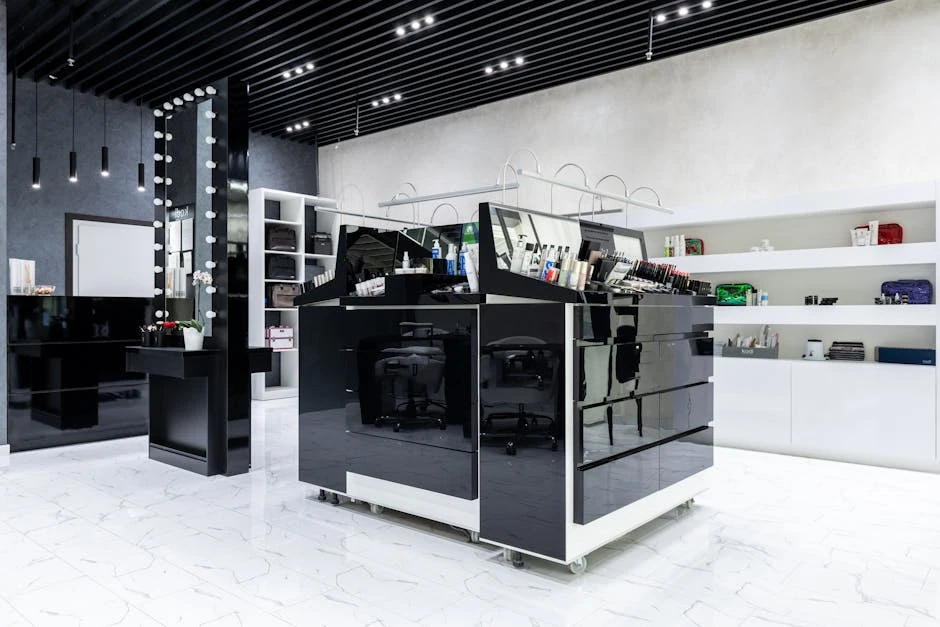
Olive Young is the Korean multi-brand K-beauty drugstore chain — the broadest-spectrum K-beauty retail format in the country, with the T1 landside outlet on the third floor and the T2 outlet on the third floor providing the one-stop catch-all option for travelers who do not want to walk between individual brand counters at the duty-free zone. Pricing is variable across the catalog given that Olive Young carries somewhere upward of three hundred K-beauty brands across the storefront, with the cumulative pricing tier running broadly comparable to the duty-free counters for the major brands and meaningfully more cost-effective for the indie brands that the duty-free zone does not carry. The framing point worth making is that Olive Young is the operational catch-all — the place to go if you have somewhere between fifteen and forty minutes for K-beauty shopping and do not want to walk the duty-free counter-by-counter route, or if you are specifically hunting an indie brand that the duty-free zone has not stocked, or if you want to assemble a multi-brand bulk gift bundle without the individual-counter friction. The T1 outlet sits at the landside third floor — which means accessible without immigration clearance, useful for the pre-flight stopover before security — and the T2 outlet at the third floor catches the T2 departures crowd. The brand's global online presence at global.oliveyoung.com lists the full catalog; the airport outlets carry the bestseller-and-popular-pick subset across the categories. The tax-refund eligibility at the landside outlets is the secondary operational point worth making — non-Korean residents can claim the standard tourist tax refund on Olive Young purchases above the threshold (typically thirty thousand KRW, roughly twenty-two USD), and the refund processing at the airport tax-refund counters is straightforward and well-signposted. The variety is the editorial argument — Olive Young is the place to find the indie brands that have not yet reached the duty-free counter tier, the limited-edition seasonal launches, the influencer-collaboration releases, and the entry-tier price-aggressive options that the duty-free zone does not stock. For the magazine reader who is calibrating the most efficient single-stop K-beauty pickup strategy and who has between thirty and ninety minutes for the airport shopping window, Olive Young is the answer — for the magazine reader who wants the heritage-tier individual-counter experience with the consultation-and-gift-wrap service, the duty-free zone counters at Featured A through I are the better answer. The two formats serve different operational profiles, and the calibrated traveler uses both across different trips. There is a particular thrill in walking through the T1 Olive Young the day of departure with thirty minutes to spare and finding the indie sunscreen that you read about on Reddit three months ago and never managed to source on the Manhattan side. That is the catch-all argument.
- Location: T1 third floor (landside) + T2 third floor
- Hours: 07:00-22:00 daily
- Price: Variable across 300+ brands
- Best for: Multi-brand catch-all, indie brand variety, tax-refund-eligible shopping
- Skip if: You want the individual brand-counter heritage experience (try the duty-free zone)
“There is a particular thrill in opening a fresh First Care bottle the night you arrive at your Park Slope apartment or your West Village walk-up and applying it to the skin that has, frankly, been through it.”
Jessica Cole, Editorial Desk
Frequently asked questions
Which of these ten is best for the duty-free first-timer who has never bought K-beauty before?
Sulwhasoo First Care Serum or Laneige Lip Sleeping Mask are the two gateway picks. Sulwhasoo if your budget runs to the ninety-to-two-hundred-twenty-USD bracket and you want the heritage-luxury anchor that introduces the broader category. Laneige Lip Sleeping Mask if your budget is roughly twenty USD and you want the viral-recognition gateway gift that a friend who is not deep in K-beauty will immediately know. Both convert first-time buyers reliably across my own friend-and-family distribution data.
Are the duty-free prices really better than what I would pay at Sephora or Bloomingdale's at home?
Yes, typically fifteen to thirty percent better depending on the brand and the season. Sulwhasoo runs roughly fifteen to twenty percent below the Madison Avenue flagship pricing. Laneige and Innisfree run roughly twenty percent below the Sephora-side US pricing. Mediheal and Beauty of Joseon run closer to twenty-five to thirty percent below the equivalent Sephora alternatives. COSRX and Anua run closer to fifteen percent below. The savings are honest and consistent rather than promotional-theater pricing.
What is the cleared-customs duty-free allowance for K-beauty bringing back into the US?
The standard US Customs personal-use allowance for cosmetics is generous enough that most K-beauty hauls fall well under the threshold. Personal-use cosmetic imports valued under eight-hundred USD typically clear customs without duty, and the K-beauty pickup totals I have personally brought back across roughly twenty-two trips have not triggered any customs friction. Verify current US Customs and Border Protection guidelines at cbp.gov before high-value purchases. Liquid-restriction rules apply to carry-on but not checked baggage.
Can I shop landside if I am picking up departing passengers rather than flying out myself?
Yes — the Olive Young T1 third floor landside outlet is accessible without flight ticketing or immigration clearance, which is operationally useful for the meeting-arrival or seeing-off-departure context. Most of the duty-free counter brands are airside-only and require a same-day departure boarding pass for purchase. The Olive Young T1 outlet is the only major K-beauty shopping option at the airport that does not require a flight ticket, which makes it the answer for the non-flying-companion pickup scenario.
How does Korean duty-free K-beauty compare to what I would buy in central Seoul itself?
Closer than you might assume. The Incheon duty-free pricing runs roughly five to fifteen percent above the central-Seoul retail equivalents for the major brands — which is the standard airport markup but considerably lower than the markup at JFK, LAX, or Heathrow (where airport beauty pricing typically runs twenty to forty percent above the city baseline). For travelers who have a half-day in central Seoul, the Myeong-dong and Apgujeong districts offer slightly better pricing and considerably broader variety. For travelers with only the layover window, Incheon is operationally sufficient.
What is the difference between Lotte Duty Free and Shilla Duty Free at the airport?
Both Lotte and Shilla operate flagship duty-free zones at T1 and T2 with substantially overlapping K-beauty catalogs across the major heritage and mid-tier brands. The differences run mostly to the gift-set bundling structures and the seasonal promotional cadences rather than to the underlying product lineup. Loyalty-program members of either company should check the respective app for member-only discount layering. Non-loyalty-program shoppers can typically compare both counters within a fifteen-minute walk and select the better seasonal bundle.
Are there other K-beauty brands worth considering that did not make this list?
Yes — and this is the methodology disclosure. The Incheon duty-free zone carries somewhere upward of sixty K-beauty counters across T1 and T2, and many are perfectly fine. Ten is the number that survives editorial scrutiny rather than the number that fills a directory. Honorable mentions: Belif (heritage hydration register), Klairs (sensitive-skin alternative to COSRX and Anua), Etude (mass-market makeup register), Missha (mass-market alternative to Laneige), Dr. Jart (dermo-cosmetic alternative to COSRX). All accessible at Olive Young T1 if the duty-free counters do not stock them.
Where can I verify operational hours, in-stock status, and current pricing?
The Incheon Airport official site at airport.kr lists current duty-free counter locations, hours, and floor maps for T1 and T2. Individual brand sites — sulwhasoo.com, thewhoo.com, laneige.com, innisfree.com, cosrx.com, hera.com, mediheal.com, beautyofjoseon.com, anua.com, oliveyoung.com — list global catalogs, though airport outlets may carry a subset. The duty-free operator sites at Lotte and Shilla list seasonal gift-set bundling and promotional pricing. Hours and stock shift seasonally — airport.kr is the most current verification.