
Editorial
Hour-by-Hour Layover Treatment Day
Landing through onward boarding — realistic time windows for each segment, the contingency buffer that protects the connection, and the decision points where the itinerary can flex.
The corridor Ultherapy patient's hardest planning problem is not the procedure itself — it is the time math. The patient lands at ICN, clears immigration, picks up baggage if any, transfers to the clinic, completes intake, undergoes topical numbing, sits through the platform pass, completes post-treatment care, returns to the terminal, clears outbound immigration, and boards the onward flight, all inside a window that the airline scheduled without consulting the clinic. This page is the hour-by-hour itinerary as we actually operate it for corridor patients, with realistic time windows for each segment, the contingency buffer that protects the connection, and the decision points where the itinerary can flex if a segment runs long. The total realistic window for a full-face Ultherapy Prime corridor protocol is 6 to 8 hours from landing to onward boarding, with 9 to 10 hours preferred. Patients with tighter connections should consider deferring or selecting a jawline-only protocol. Authority anchors: KHIDI for the foreign-patient framework, Merz Aesthetics for platform protocol timing, MFDS for device authorisation, and Korea Tourism Organization medical division for the transit framework.
Hour 0 — landing at ICN, gate to immigration
Wheels-down at ICN starts the corridor clock. The first segment is from gate to immigration kiosk. Realistic window: 15 to 30 minutes, depending on terminal (Terminal 1 vs Terminal 2), gate position (close to immigration vs far), and aircraft size (deplaning a 777 takes longer than a 321). The corridor patient should not budget less than 20 minutes for this segment and should not be surprised by 40 minutes during peak arrival waves. Practical moves: deplane efficiently, do not stop at the gate-area shops, use the airport map app or the in-terminal signage to take the most direct route to immigration. Patients carrying carry-on only have an advantage of roughly 20 to 30 minutes over patients with checked baggage; the corridor patient should travel carry-on only whenever feasible.

Hour 0.5 — immigration to landside
Korean immigration for foreign passport holders varies by passport country and by the foreign-patient flow at the time. Realistic window: 15 to 45 minutes. ICN has dedicated foreign-passport lanes and electronic kiosks for eligible nationalities. Patients with K-ETA pre-clearance and biometric pre-enrolment can clear in 5 to 10 minutes; patients without these and arriving in a peak wave can wait 30 to 45 minutes. The corridor patient should pre-clear K-ETA online before the inbound flight and use the biometric kiosks where eligible. Practical moves: complete the entry card on the inbound flight, have the passport and entry card ready before queuing, do not stop at the duty-free shops in the immigration arrivals corridor (they will still be there at the onward flight return). Total landed-to-landside window: 30 to 75 minutes.
Hour 1 — landside pickup and clinic transfer
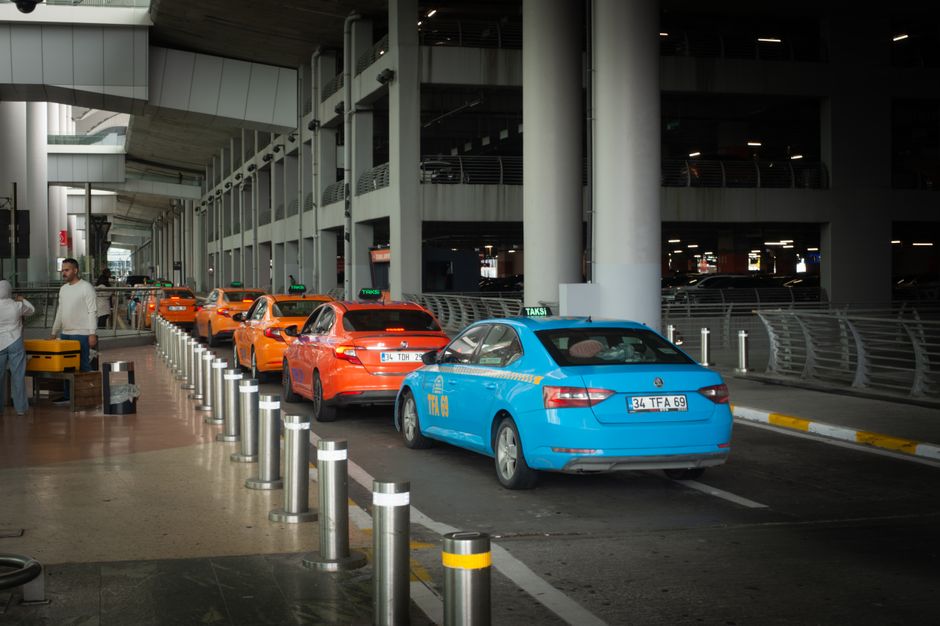
From immigration arrivals to clinic chair is the corridor-distance segment. Realistic window: 45 to 75 minutes door-to-door by private sedan or arranged transfer, 60 to 90 minutes by airport limousine bus, 70 to 100 minutes by AREX express plus connection. The corridor patient should use private sedan or arranged transfer for the inbound leg if the corridor-clinic package includes it; the time saving versus airport limousine is 15 to 30 minutes and the reduction in patient stress is meaningful. Practical moves: confirm pickup point with the coordinator before deplaning, look for the coordinator's printed sign at the designated landside meeting area, and confirm the driver's vehicle plate before boarding. Total landing-to-clinic-chair window: 75 to 150 minutes, with 90 to 120 minutes the realistic target.
Hour 2 — clinic arrival, intake, and topical numbing
At the clinic, the patient checks in, completes intake paperwork, has a brief physician consultation, undergoes pre-treatment photography, and has the topical numbing cream applied. Realistic window: 45 to 75 minutes total. The topical numbing application requires 30 to 45 minutes of dwell time for the anaesthetic agent to penetrate the stratum corneum and reach the dermal nerve endings; this is non-negotiable and cannot be compressed. Some clinics begin the consultation and photography in parallel with the numbing dwell time to compress the total intake-to-treatment window. The corridor patient should arrive at the clinic having already completed the morning-of cleanse and with carry-on stowed at the airport or in the transfer vehicle, not carried into the clinic. Practical moves: be honest at intake about any prior treatments, medications, and supplements; the consultation is a real consultation, not a formality.
Hour 3 to 4 — the platform pass
The Ultherapy Prime platform pass itself runs 30 to 60 minutes for a full-face protocol at 400 to 600 lines, depending on shot count, zones included, and patient tolerance. The procedure is performed by a licensed physician with the patient supine. Sensation varies by zone — periorbital and jawline zones are more sensitive than mid-cheek zones, and the deeper 4.5mm transducer produces more sensation than the superficial 1.5mm transducer. The patient stays awake throughout and can communicate sensation through verbal or hand-signal feedback. The clinic typically completes the platform pass in zone order — for example, left jawline, right jawline, left mid-cheek, right mid-cheek, periorbital, forehead, submental — with a brief between-zone pause. Practical moves: breathe normally, communicate any sensation that feels notably different from the rest of the pass, drink water at between-zone pauses if offered.
Hour 4 to 4.5 — immediate post-treatment care
After the final platform pass, the clinic applies post-treatment skincare — typically a cooling barrier-repair mask for 15 to 20 minutes, followed by a barrier-repair moisturiser, a hydrating mist, and a high-SPF sunscreen application. The patient sits up gradually to avoid orthostatic dizziness, and the coordinator reviews the cabin-window care plan and the post-treatment kit (if included). Mild redness and mild swelling are normal at this point and resolve over the next 2 to 6 hours; visible bruising is uncommon but possible at the temples and along the jawline. Realistic window: 20 to 40 minutes total for in-clinic post-treatment care. Practical moves: do not rub or press the treated zones, do not apply makeup over the treated zones for at least 4 hours, do not consume hot liquids that might increase vasodilation in the cabin window.
Hour 4.5 to 5.5 — clinic to airport return transit
The return transit from clinic to airport is the mirror image of the inbound segment. Realistic window: 45 to 75 minutes by private sedan, 60 to 90 minutes by airport limousine bus. The corridor patient should request the return transfer be scheduled to deliver the patient to the airport 3 hours before onward departure for international flights, not the standard 2 hours; the extra hour is the contingency buffer for any traffic delay or post-treatment slow-departure from the clinic. Practical moves: confirm the return pickup time before the platform pass begins, not after; carry a wide-brim hat for any sun exposure on the way to the vehicle and the airport curb; budget 5 to 10 minutes for the airport curb-to-terminal walk.
Hour 5.5 to 7 — outbound check-in, security, and gate
At the airport, the corridor patient completes outbound check-in or skips it if already checked in online, drops any checked baggage if applicable, processes the VAT refund at the tax-refund kiosk for the procedure (typically 15 to 20 minutes), clears outbound security, clears outbound immigration, and proceeds to the gate. Realistic window: 75 to 120 minutes total. The corridor patient with carry-on only and online check-in can compress this to 60 minutes; the patient with checked baggage and a VAT refund process should budget the full 120 minutes. Practical moves: keep the procedure receipt accessible for the VAT refund kiosk; do not stop at duty-free shops until after immigration clearance; do not eat heavy meals at the airside before boarding (cabin pressurisation compounds digestion-related discomfort in the first 12 hours post-treatment).
Hour 7 to onward — boarding and cabin window
Boarding the onward flight is the start of the cabin window, which is its own care segment rather than a passive transit. The corridor patient applies the barrier-repair moisturiser at the start of cruise, the hydrating mist every 90 to 120 minutes, sips water at 200 ml per hour, and rests with a sleep mask and earplugs. Mild residual redness at takeoff fully resolves over the cabin window in most patients. Cabin pressurisation and dry air can produce a sensation of skin tightness that is normal and not concerning. The wide-brim hat is useful for sun-exposed window seats during daylight transcontinental legs. Practical moves: skip the inflight wine, request a window-seat shade if at a daylight window seat, do not apply makeup over the treated zones during the cabin window, message the coordinator if anything feels meaningfully different from the post-treatment briefing.
“A workable corridor itinerary needs a 90-minute contingency buffer at minimum. Below that, the math breaks at the first delayed segment. The patient who plans the buffer makes the connection; the patient who plans the average case misses it.”
Editorial Team, Incheon Airport Ultherapy
Frequently asked questions
What is the minimum layover window for a full-face protocol?
6 hours is the theoretical floor with everything going perfectly — carry-on only, K-ETA pre-cleared, private sedan transfer, online check-in, no VAT refund processing. 8 hours is the realistic floor that accounts for normal variance. 9 to 10 hours is the comfortable window. Layovers under 6 hours should defer the appointment or select a jawline-only protocol that runs roughly 60 to 90 minutes shorter end-to-end.
What if my inbound flight is delayed and the corridor window tightens?
Message the coordinator immediately with the new arrival time. The clinic can typically flex the appointment time by 30 to 60 minutes without rescheduling. Beyond that, the coordinator will assess whether to proceed with a shortened protocol (jawline-only or zone-specific), reschedule to a later corridor window if your itinerary permits, or refund the deposit if no workable window remains. Inbound delays inside 90 minutes typically still permit the full protocol; delays beyond 90 minutes start to compress the back end of the window.
Can I do the procedure on a same-day return — fly in, treat, fly out within 12 hours?
Yes, this is the corridor framework. Patients regularly complete the full-face Ultherapy Prime corridor protocol within an 8-hour layover window between an inbound and an onward flight. The deliberate same-day-return itinerary is structurally equivalent to a long layover — it just happens to use Seoul as the only destination on the route. The contingency-buffer requirement is the same.
What if I want to do a jawline-only protocol to fit a tighter window?
Jawline-only or zone-specific protocols run roughly 60 to 90 minutes shorter end-to-end than full-face. This brings the realistic layover floor down to 5 to 6 hours. The patient gets meaningful jawline tightening but does not get the full-face contour result. The coordinator should confirm in writing at booking which zones are included and which are deferred.
Can I leave my luggage at the airport while I am at the clinic?
Yes. ICN has paid luggage storage at multiple locations in the public area and in some lounges. Carry-on storage is typically 5,000 to 10,000 KRW per piece per day. The corridor coordinator can advise on the closest storage point to the limousine pickup area for the specific terminal. Some corridor-clinic packages include the luggage-storage fee as a small line item.
What if my immigration line is very long and I lose 30+ minutes?
Message the coordinator with the new realistic clinic-arrival time. The clinic will adjust the topical numbing dwell time accordingly. If the immigration delay is severe enough to compromise the back end of the window, the coordinator will assess the same options as for an inbound flight delay — shortened protocol, reschedule, or refund.
Can I take a shower at the airport before the appointment?
Yes. ICN has paid shower facilities in the international terminal that are useful for the corridor patient who wants to arrive at the clinic with fresh-cleansed skin and a reset circadian state. The shower facilities are typically 12,000 to 18,000 KRW for a single-use shower with towel. Budget 30 to 40 minutes including the time to and from the shower facility and the lounge or pickup area.
What is the rule of thumb for the contingency buffer?
Build a 90-minute contingency buffer into the layover window at minimum. The buffer absorbs inbound-flight delay, immigration queue variance, traffic on the airport-clinic route, intake running long, the platform pass running 10 to 15 minutes over the planned time, post-treatment care running long, return-transit traffic, and outbound-process variance. With a 90-minute buffer, the corridor itinerary tolerates roughly two segments running 30 to 45 minutes over without compromising the connection. Below 90 minutes, the math is fragile.